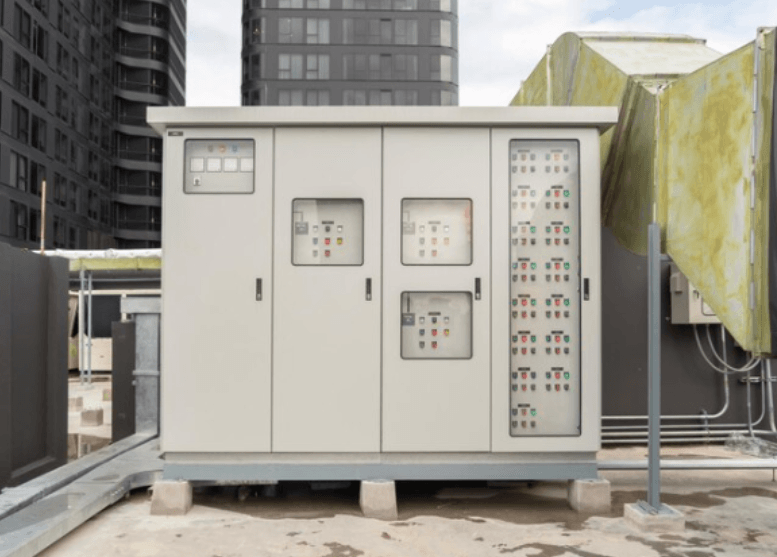
Modern healthcare facilities and critical infrastructure systems rely heavily on uninterrupted electrical power to maintain safety, efficiency, and operational continuity. A dependable 3 phase distribution transformer plays a major role in ensuring that hospitals, emergency response centers, data facilities, transportation networks, and industrial operations receive stable and consistent power.
Even a short interruption in electrical supply can create severe consequences in environments where equipment performance directly affects public safety, patient care, and essential services.
Transformer reliability has become increasingly important as healthcare and infrastructure systems grow more advanced and power dependent. Reliable transformers help reduce outages, protect sensitive equipment, maintain operational stability, and support emergency preparedness.
In sectors where continuous power is essential, transformer performance directly influences safety, productivity, and long term infrastructure resilience.
Understanding the Role of Transformers in Critical Infrastructure
Transformers are responsible for transferring electrical energy between circuits while maintaining the proper voltage levels required for different applications. In healthcare facilities and infrastructure systems, transformers ensure that electrical equipment receives safe and stable power.
Critical infrastructure depends on transformers for several essential functions:
- Voltage regulation
- Power distribution across facilities
- Protection against electrical instability
- Support for backup power systems
- Energy efficiency improvement
Without reliable transformers, sensitive systems can experience power fluctuations, interruptions, or equipment failures that may disrupt operations.
Why Reliability Matters in Healthcare Facilities
Healthcare environments are among the most power sensitive facilities in the world. Hospitals rely on electricity to operate life support systems, surgical equipment, patient monitoring devices, laboratory instruments, and communication networks.
A transformer failure in a healthcare setting can create serious risks such as:
- Loss of critical medical equipment functionality
- Delays in patient treatment
- Data loss in healthcare information systems
- Interruptions in emergency care
- Increased safety hazards for patients and staff
Reliable transformers help healthcare providers maintain continuous operations during both normal and emergency conditions.
Supporting Life Saving Equipment
Medical equipment often requires highly stable voltage levels to function properly. Devices such as ventilators, MRI machines, dialysis systems, and operating room equipment cannot tolerate sudden power fluctuations.
Reliable transformers help maintain:
- Consistent voltage supply
- Reduced electrical disturbances
- Protection against overloads
- Stable power for precision equipment
This stability is essential for maintaining accurate diagnostics and safe patient care.
Maintaining Emergency Power Systems
Hospitals are required to maintain backup power systems that activate during utility outages. Transformers play an important role in connecting generators, emergency circuits, and automatic transfer systems.
Reliable transformer performance ensures that:
- Emergency generators operate efficiently
- Critical systems receive uninterrupted power
- Backup systems activate without delay
- Essential departments remain operational
In emergency situations, dependable power distribution can directly impact patient survival and emergency response effectiveness.
Importance in Data Centers and Communication Networks
Modern infrastructure relies heavily on digital communication and data processing systems. Data centers, telecommunications facilities, and cloud computing networks require continuous electrical power to prevent downtime and data corruption.
Transformer reliability supports these facilities by providing:
- Stable voltage regulation
- Reduced risk of overheating
- Improved load management
- Continuous operation of cooling systems
- Protection for sensitive electronics
Even brief outages can lead to financial losses, communication failures, and service disruptions that affect businesses and public services.
Preventing Downtime in Digital Infrastructure
Critical infrastructure systems depend on real time communication and data sharing. Reliable transformers help maintain uninterrupted connectivity for:
- Emergency communication systems
- Banking networks
- Transportation management
- Government operations
- Cloud based services
As society becomes more dependent on digital systems, transformer reliability becomes increasingly important for economic stability and public safety.
Supporting Transportation and Public Utilities
Transportation systems and public utilities require dependable electrical infrastructure to operate safely and efficiently. Airports, rail systems, water treatment plants, and traffic management systems all depend on reliable transformers.
Transformer failures in these environments can cause:
- Traffic disruptions
- Transportation delays
- Water supply interruptions
- Public safety concerns
- Operational shutdowns
Reliable transformers help maintain essential public services and reduce the risk of large scale disruptions.
Power Stability for Transportation Systems
Modern transportation systems use advanced electrical equipment for signaling, lighting, surveillance, and operational controls. Reliable transformers help ensure uninterrupted performance for:
- Rail networks
- Airport systems
- Electric vehicle charging infrastructure
- Traffic control systems
- Subway operations
Consistent power supply supports both operational efficiency and passenger safety.
Protecting Sensitive Equipment from Electrical Disturbances
Healthcare facilities and infrastructure systems contain expensive and highly sensitive equipment that can be damaged by electrical instability. Voltage spikes, surges, harmonics, and overloads can reduce equipment lifespan or cause sudden failures.
Reliable transformers provide protection through:
- Voltage stabilization
- Isolation from electrical faults
- Reduction of harmonic distortion
- Load balancing
- Thermal management
This protection helps organizations avoid costly repairs and operational interruptions.
Reducing Maintenance and Replacement Costs
Equipment damage caused by unreliable power systems can lead to significant financial burdens. Transformer reliability helps reduce:
- Emergency maintenance costs
- Equipment replacement expenses
- Operational downtime
- Productivity losses
- Long term infrastructure damage
By maintaining consistent electrical performance, reliable transformers contribute to more efficient facility management.
The Impact of Environmental Conditions on Transformer Reliability
Environmental factors can significantly affect transformer performance and lifespan. Healthcare facilities and critical infrastructure often operate in demanding environments where transformers are exposed to heat, moisture, dust, and varying load conditions.
Several environmental challenges include:
- High ambient temperatures
- Humidity exposure
- Airborne contaminants
- Flood risks
- Corrosive environments
Reliable transformer systems are designed to withstand these conditions while maintaining safe operation.
Importance of Cooling and Thermal Management
Excessive heat is one of the leading causes of transformer failure. Effective cooling systems help prevent overheating and maintain stable operation.
Proper thermal management provides:
- Longer transformer lifespan
- Improved operational efficiency
- Reduced insulation degradation
- Better load handling capacity
- Lower risk of unexpected failure
Healthcare and infrastructure facilities often require transformers with advanced cooling technologies to ensure dependable performance under continuous load conditions.
See also: Streaming Technology and the Future of Media
Role of Preventive Maintenance in Reliability
Even high quality transformers require ongoing maintenance to ensure reliable operation. Preventive maintenance helps identify potential problems before they lead to failures.
Key maintenance practices include:
- Regular inspections
- Oil testing and analysis
- Thermal imaging
- Electrical testing
- Cleaning and ventilation checks
Routine maintenance improves transformer reliability and reduces the likelihood of unexpected outages.
Monitoring and Diagnostic Technologies
Modern transformer systems increasingly use advanced monitoring technologies that provide real time performance data. These systems help facility operators detect abnormal conditions early.
Monitoring technologies can identify:
- Temperature changes
- Load imbalances
- Insulation deterioration
- Moisture contamination
- Electrical faults
Early detection allows maintenance teams to address issues before they escalate into major failures.
Importance of Redundancy in Critical Facilities
Healthcare facilities and critical infrastructure often use redundant transformer systems to improve reliability. Redundancy ensures that backup equipment can continue supplying power if one transformer fails.
Redundant systems provide several advantages:
- Improved operational continuity
- Reduced outage risks
- Better emergency preparedness
- Increased system flexibility
- Enhanced safety
Facilities that rely on uninterrupted power often incorporate multiple transformers and backup distribution paths to maintain continuous operation.
Disaster Preparedness and Infrastructure Resilience
Natural disasters, severe weather events, and grid failures can place enormous stress on electrical systems. Reliable transformers help critical infrastructure remain operational during emergencies.
Transformer reliability supports disaster preparedness through:
- Durable system design
- Improved fault tolerance
- Faster recovery after outages
- Integration with backup generators
- Support for emergency operations
Resilient electrical infrastructure is essential for protecting public health and maintaining essential services during crises.
Energy Efficiency and Sustainability Benefits
Reliable transformers not only improve operational stability but also contribute to energy efficiency. Modern transformer technologies are designed to minimize energy losses while supporting sustainable infrastructure goals.
Energy efficient transformers help facilities achieve:
- Lower electricity consumption
- Reduced operating costs
- Improved power quality
- Reduced greenhouse gas emissions
- Better compliance with energy regulations
Healthcare organizations and infrastructure operators increasingly prioritize efficient transformer systems as part of long term sustainability planning.
Supporting Growing Energy Demands
Critical infrastructure systems continue to expand as populations grow and technology advances. Reliable transformers are essential for managing increasing electrical demand while maintaining stable power distribution.
Future infrastructure development will require transformers capable of supporting:
- Smart grid integration
- Renewable energy systems
- Electric transportation networks
- Advanced medical technologies
- Expanding digital infrastructure
Reliable transformer systems provide the foundation needed to support these evolving energy requirements.
Choosing the Right Transformer for Critical Applications
Selecting the appropriate transformer is essential for ensuring long term reliability. Different facilities have unique power requirements, environmental conditions, and operational priorities.
Factors commonly considered during transformer selection include:
- Load capacity requirements
- Environmental conditions
- Cooling methods
- Safety standards
- Redundancy needs
- Maintenance accessibility
Healthcare facilities and critical infrastructure systems often require specialized transformer designs that prioritize reliability, safety, and efficiency.
Compliance with Industry Standards
Transformers used in healthcare and infrastructure applications must comply with strict industry standards and safety regulations. Compliance helps ensure reliable performance and operational safety.
Standards may address:
- Electrical safety
- Fire resistance
- Energy efficiency
- Environmental protection
- Operational reliability
Meeting these standards is essential for maintaining safe and dependable facility operations.
Conclusion
Transformer reliability is a critical component of modern healthcare systems and essential infrastructure networks. Hospitals, transportation systems, data centers, utilities, and emergency services all depend on stable electrical power to operate safely and effectively. Reliable transformers help maintain continuous operations, protect sensitive equipment, support emergency preparedness, and improve long term infrastructure resilience.
As technology continues to advance and energy demands increase, the importance of dependable transformer systems will continue to grow. Investing in reliable transformer solutions, preventive maintenance, and resilient infrastructure design helps ensure that critical facilities can continue serving communities safely and efficiently under both normal and emergency conditions.